 Future Local Lab
 Local Government Explained
 Local Elections England: 2026
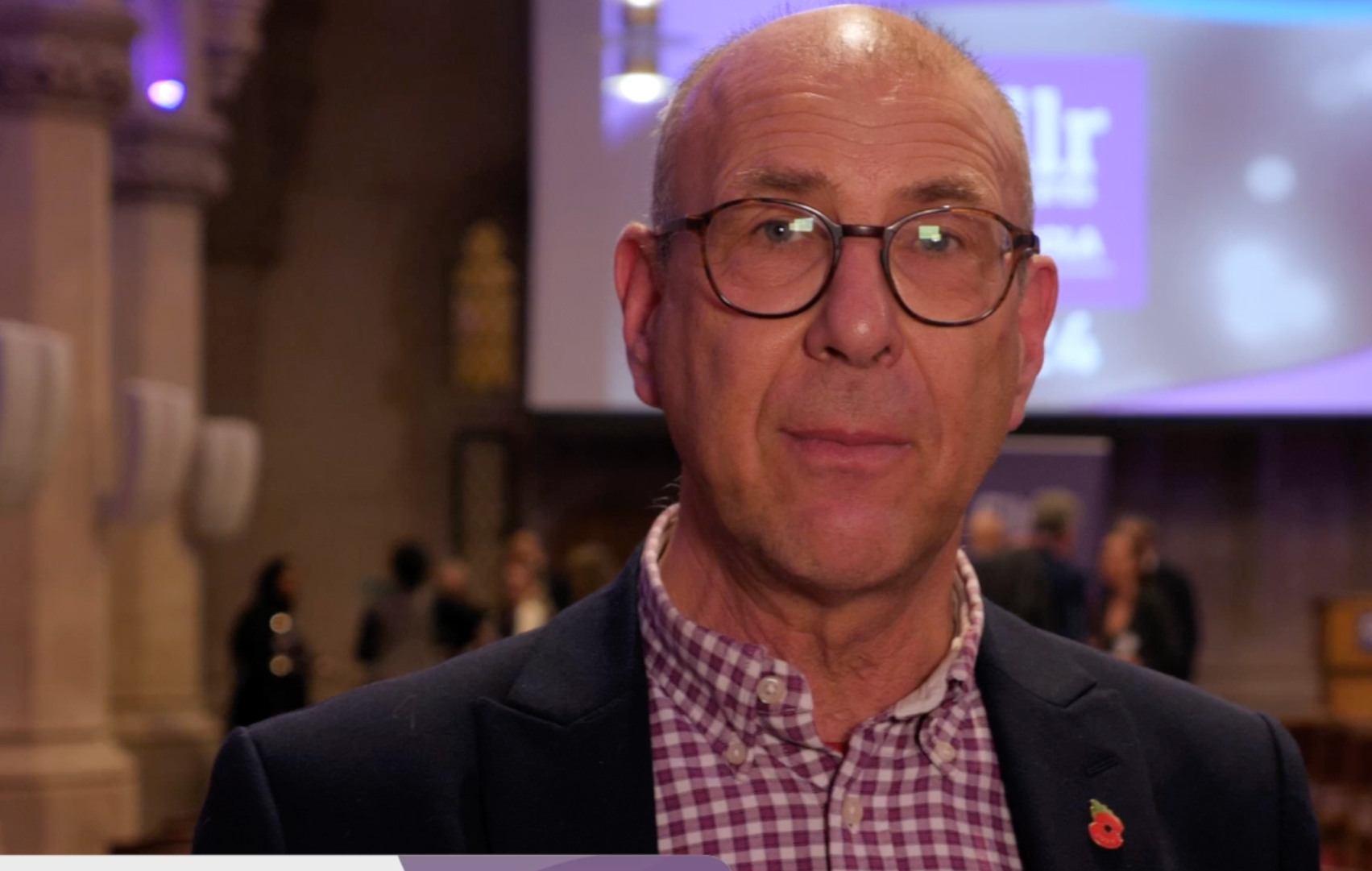
Meet your new LGIU Chair

LGIU
As a member-led organisation – owned and run by our sector members – the LGIU’s Members’ Assembly and Executive Board are at the heart of all that we do.
As a member-led organisation – owned and run by our sector members – the LGIU’s Members’ Assembly and Executive Board are at the heart of all that we do.
Every three years the Members’ Assembly elects a new Board and Chair. At the end of last year Cllr Neil Nerva (Cabinet Member, Brent Council) was elected to the role and subsequently, the Executive Board chose three new Vice-Chairs: Cllr Abdul Jabbar (Deputy Leader, Oldham Council), Cllr Tracey Dixon (Leader, South Tyneside Council) and Cllr Mark Nuti (Cabinet Member, Surrey County Council).
The LGIU is firmly focused on the future of local government. Our Executive Board shapes and guides our research and wider programme of work to ensure that we always respond to our members’ priorities.
We were pleased to catch up with Cllr Nerva shortly after his appointment for a few quick questions on his vision for the LGIU going forward.
Watch the interview or read the summary below:
What attracted you to the position of LGIU chair?
It’s a really exciting time. We have a new government and the LGIU has a track record of being an agile organisation, not afraid to take on and help local government meet the challenges.
What is your vision for LGIU?
Ensuring that the LGIU continues to grow, respects the different parts of local government that we have – whether they be districts, counties, London boroughs, unitaries or new emerging mayoral authorities – and recognises that we’re all part of a local government family that has some big challenges and some high expectations from the electorate that we can only solve by working together.
Where do you see the local government sector going in 2025?
The arrival of a new government committed to public service reform provides some phenomenal opportunities for the LGIU to be working as a champion for local residents to show that local government can lead public service reform initiatives. Not just within the local government sector but beyond, not least with our colleagues in health, DWP and other places where we know it’s local government that can bring public services together with local leadership.
I’d say one of the biggest challenges for local government is demonstrating to central government that we can we can provide the leadership on local public service reform.
Learn more about the rest of LGIU’s Executive Board and our wider governance
Was this article helpful or relevant for you?


